August 7, 2026
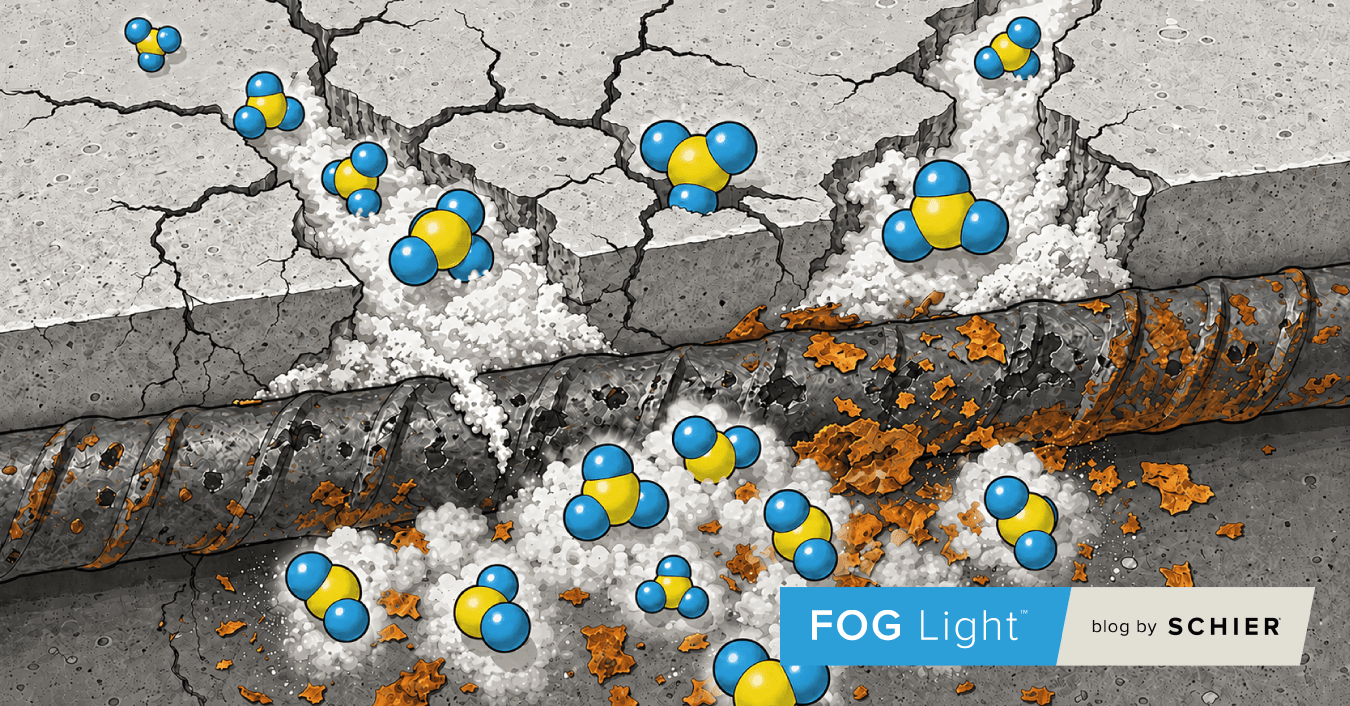
It is important to know what is going on, chemically, inside of a grease interceptor so that we know how to protect our sewer system from the damaging effects of FOG (fats, oils, and grease). Materials of construction are a vital part of a healthy system and what materials we use throughout a grease interceptor makes a big difference in its performance, maintenance and life expectancy. Specifically, concrete grease interceptors always fail. Let’s take a look:
As food waste, water, soap and other chemicals mix and enter the grease interceptor, breakdown starts to occur. Fat molecules rise to the top of the interceptor and food solids settle to the bottom.
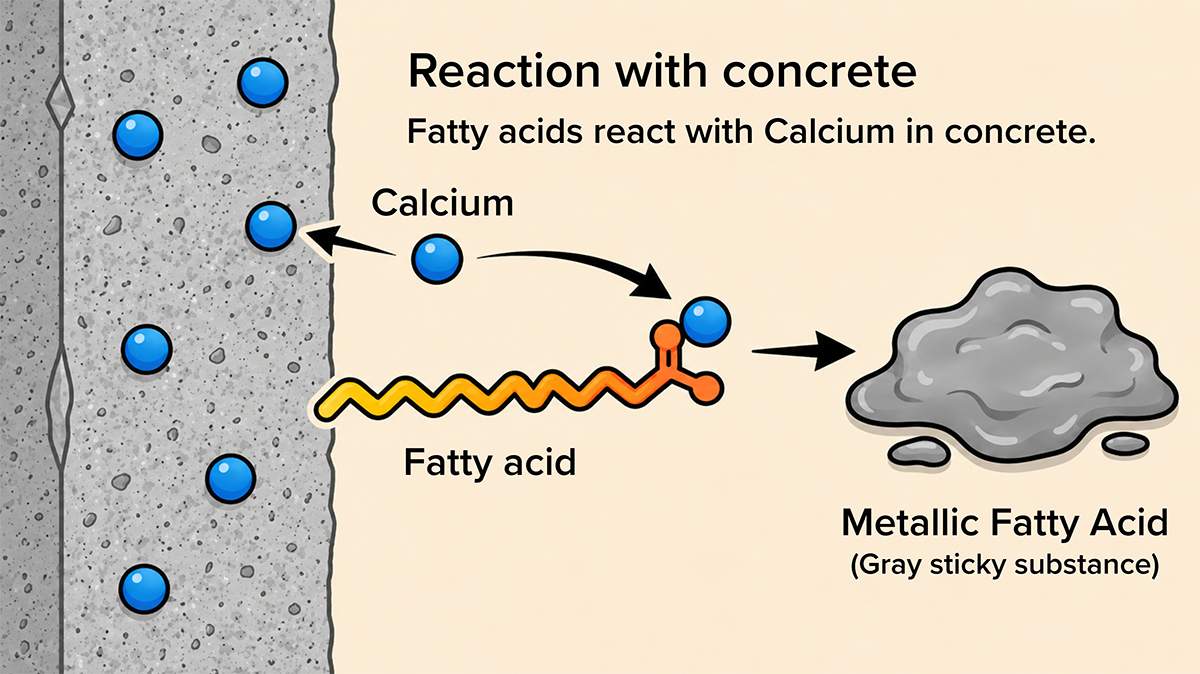
As the fat molecules in the grease layer break down, they separate into fatty acids and glycerol. The fatty acids affect the pH of the water and start to make the effluent more acidic. 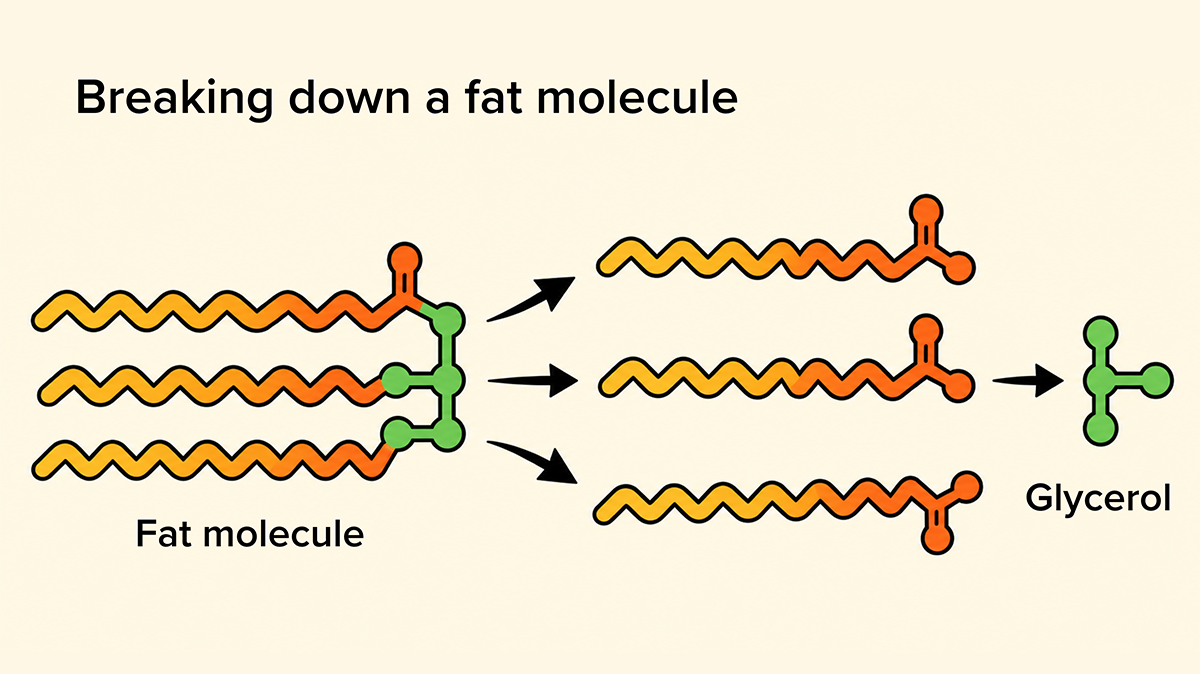 This acid starts to attack the concrete walls and the process of corrosion begins from the first day the restaurant is in operation. The fatty acids react with the calcium from the concrete, creating a metallic fatty acid (a grey sticky substance).
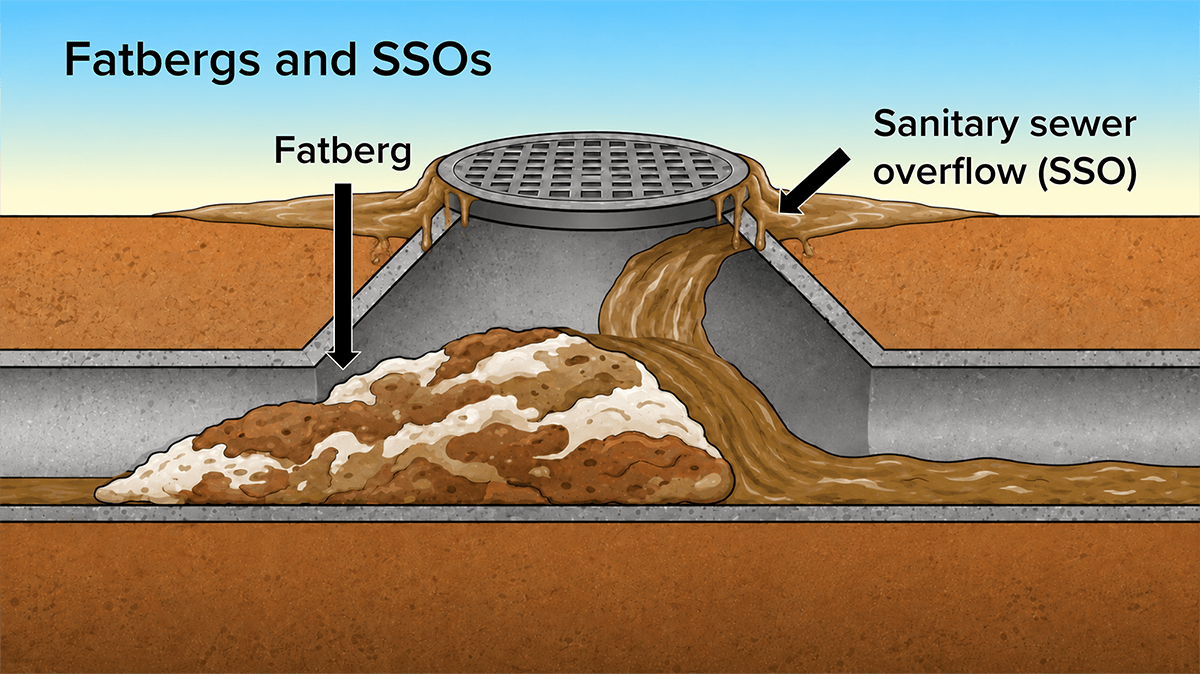
 This substance eventually sticks to the surrounding structure, sometimes inside the interceptor and sometimes downstream collecting other waste products such as flushable wipes. As the buildup continues downstream, we get sanitary sewer overflows (SSOs) because of these blockages called fatbergs (a term coined by the Brits). Simply put, the concrete interceptor is a direct contributor to most SSOs.
H₂SO₄ → Gypsum → Expansion → Failure
In the solids layer, proteins and sulfur-containing amino acids (like cysteine) from meals are the building blocks for the creation of hydrogen sulfide, which leads to the introduction of hydrogen sulfide gas and sulfuric acid. Both the gas and the liquid react with the concrete and expansive minerals (gypsum, ettringite and thaumasite) form. These minerals develop tensile strength within the concrete, which expands and leads to cracking. 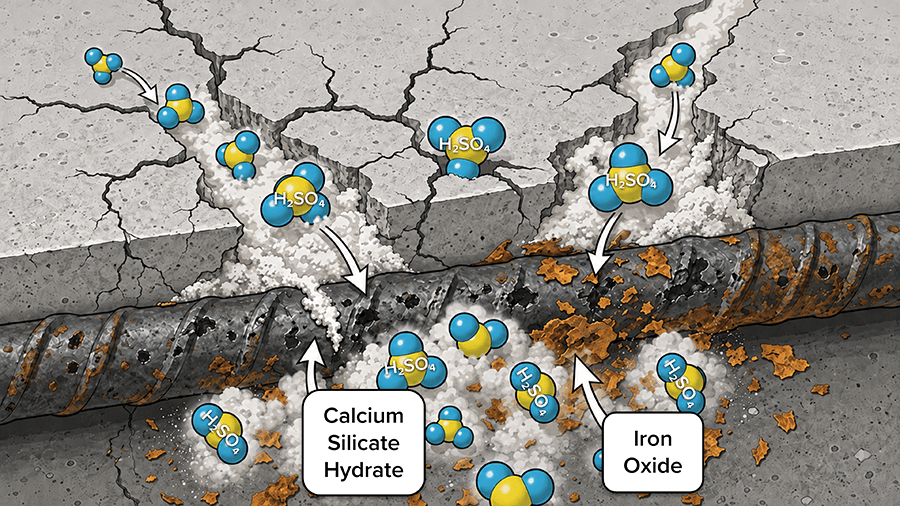 Concrete cracks naturally, however, this breakdown accelerates the process. This expansion leads to holes and ultimately the collapse of the baffles and tank. The hydrogen sulfide gas can also cause damage to the ceiling of the interceptor, causing the interceptor to cave in from above. This is a catastrophic failure.
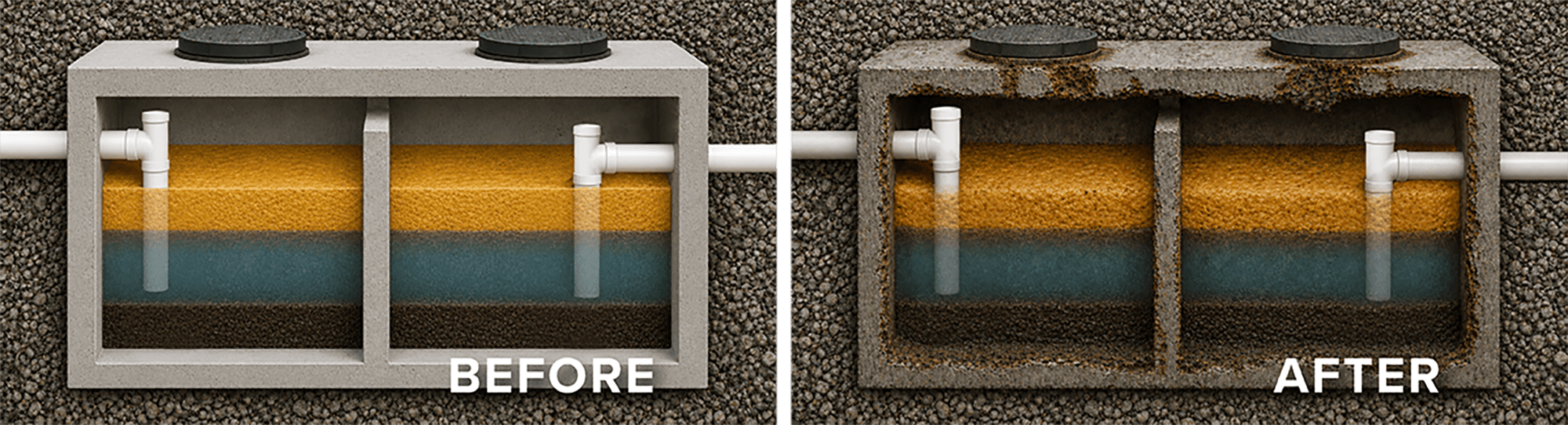 For the last 20 years, in our experiences dealing with pretreatment officials and pumper contractors, concrete grease interceptors typically fail 10-15 years after installation, triggering a very expensive and often infeasible decision for the facility owner.

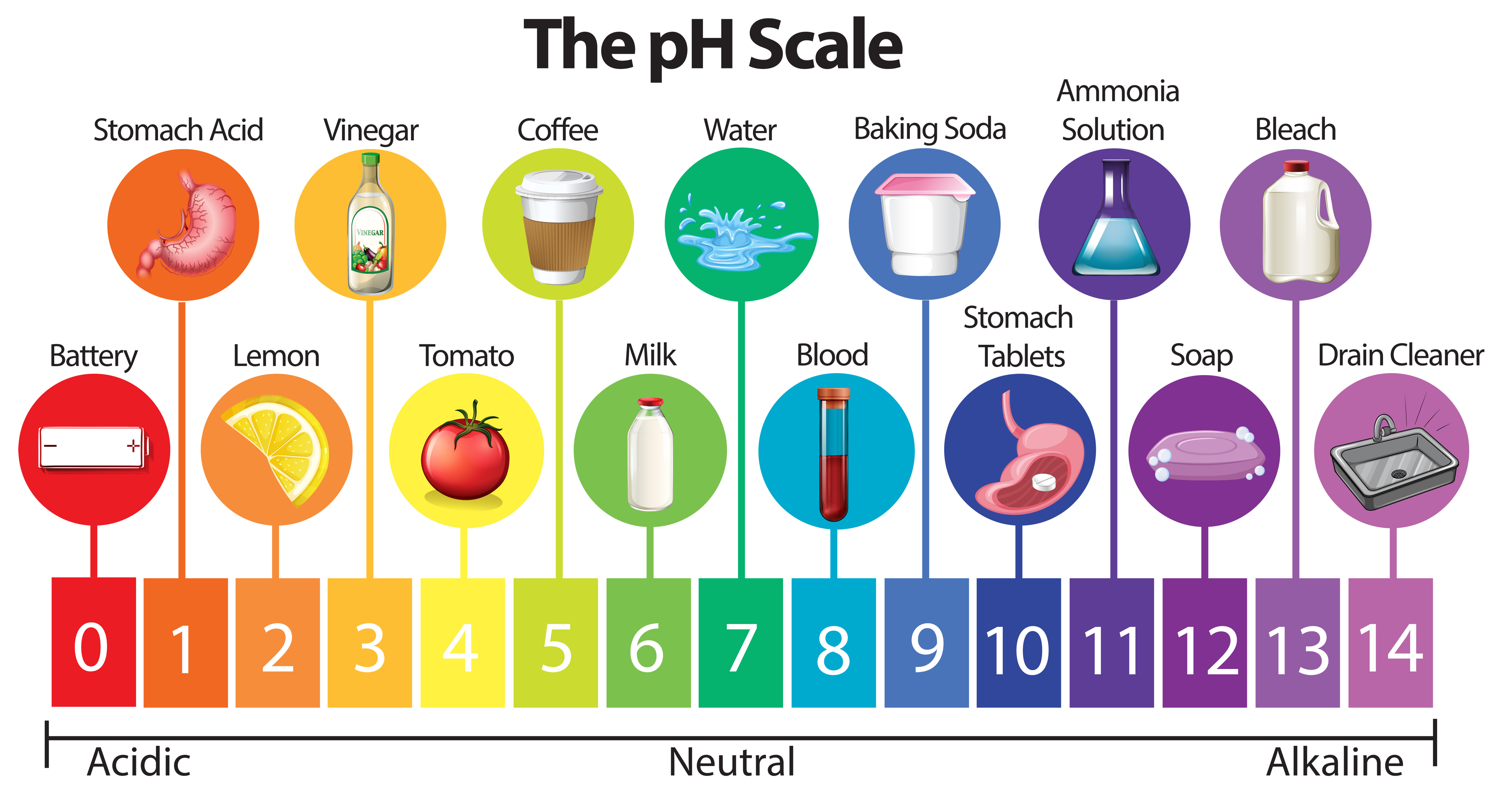
Beyond weakening the concrete itself, a drop in pH destroys the internal steel reinforcement (rebar) once exposed. Concrete's naturally high pH creates a protective, passive layer around the steel. When environmental acids lower the concrete's pH to around 9 or less, this protective film is destroyed, exposing the steel to accelerated corrosion. Since concrete is basic (high pH), the acidity in the effluent creates an imbalance that the concrete tries to normalize by sacrificing itself (much like the anode inside your water heater). The National Precast Concrete Association considers anything less than a pH of 6.5 to be damaging to concrete. Because grease interceptors have an average pH of less than 3 (the same pH as lemon juice), they are about 3,162 times more acidic than a pH of 6.5.
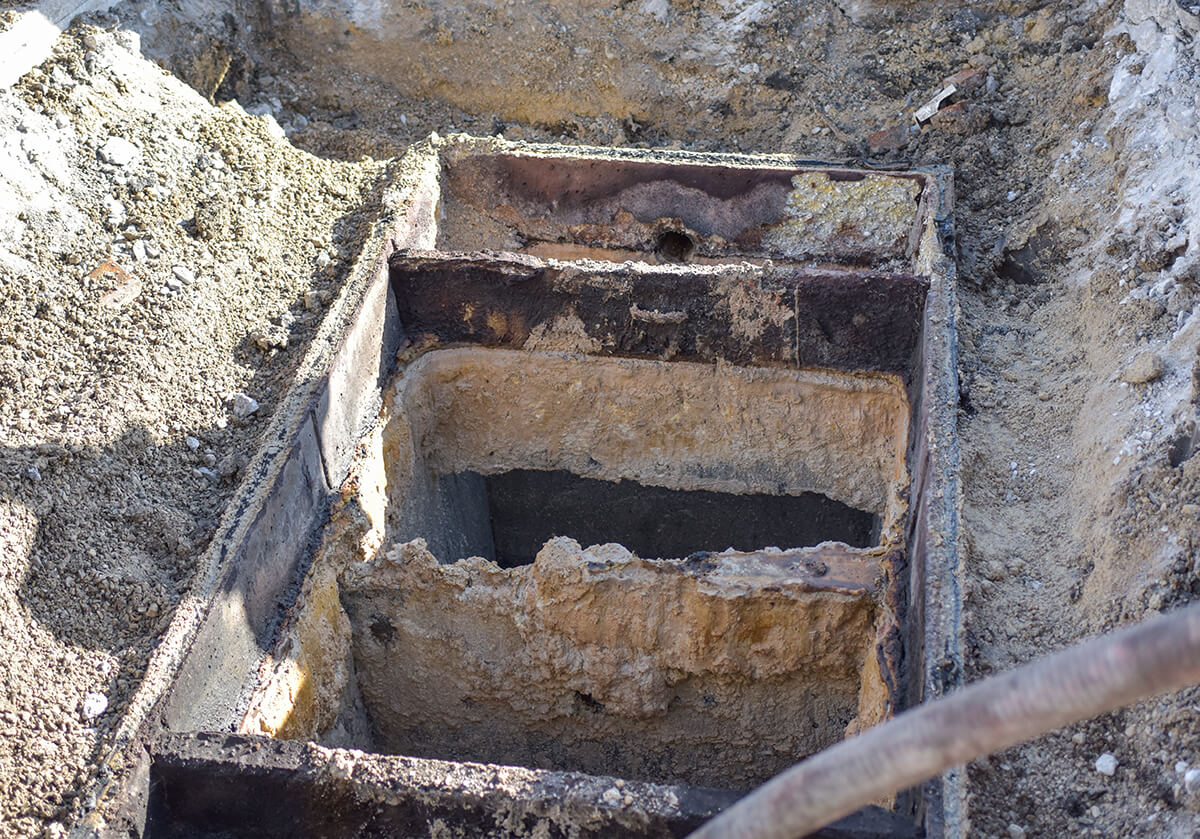
Failures in the concrete are most evident below the water line. When an interceptor is inspected, the tank is usually full of water so operation may appear somewhat normal. It is during the rare chance to inspect an empty interceptor, which is difficult to do without the pumping contractor on site, that these failures are found. Note: Don’t ever stick your head down into an interceptor, full or empty. Hydrogen sulfide gas is extremely dangerous and can lead to serious accidents.
For many years, jurisdictions relied upon concrete interceptors for protection of the conveyance system and the environment. It was all that was available. But things have changed in the last 20 years. We are now using more and more plastics in the construction of buildings, waterways and treatment plants for longevity. High Density Polyethylene is the primary material used for non-corrosive grease interceptor solutions (like Schier's Great Basin) and offers lifetime warranted, long lasting protection of the sewer system. It also offers better protection through efficiency and storage of the grease than the old concrete interceptors. “Materials compatible with a pH of 3” is language now used by many jurisdictions to protect their systems.
"A failing concrete interceptor can allow more grease loading into the sewer mains as well as posing a structural concern with higher risk of collapse. The biggest factor to their deterioration is irregular and infrequent pump-outs, giving the FOG time to become very acidic." - Jesse Vandiver, Springfield, MO.
Written by: