August 12, 2026
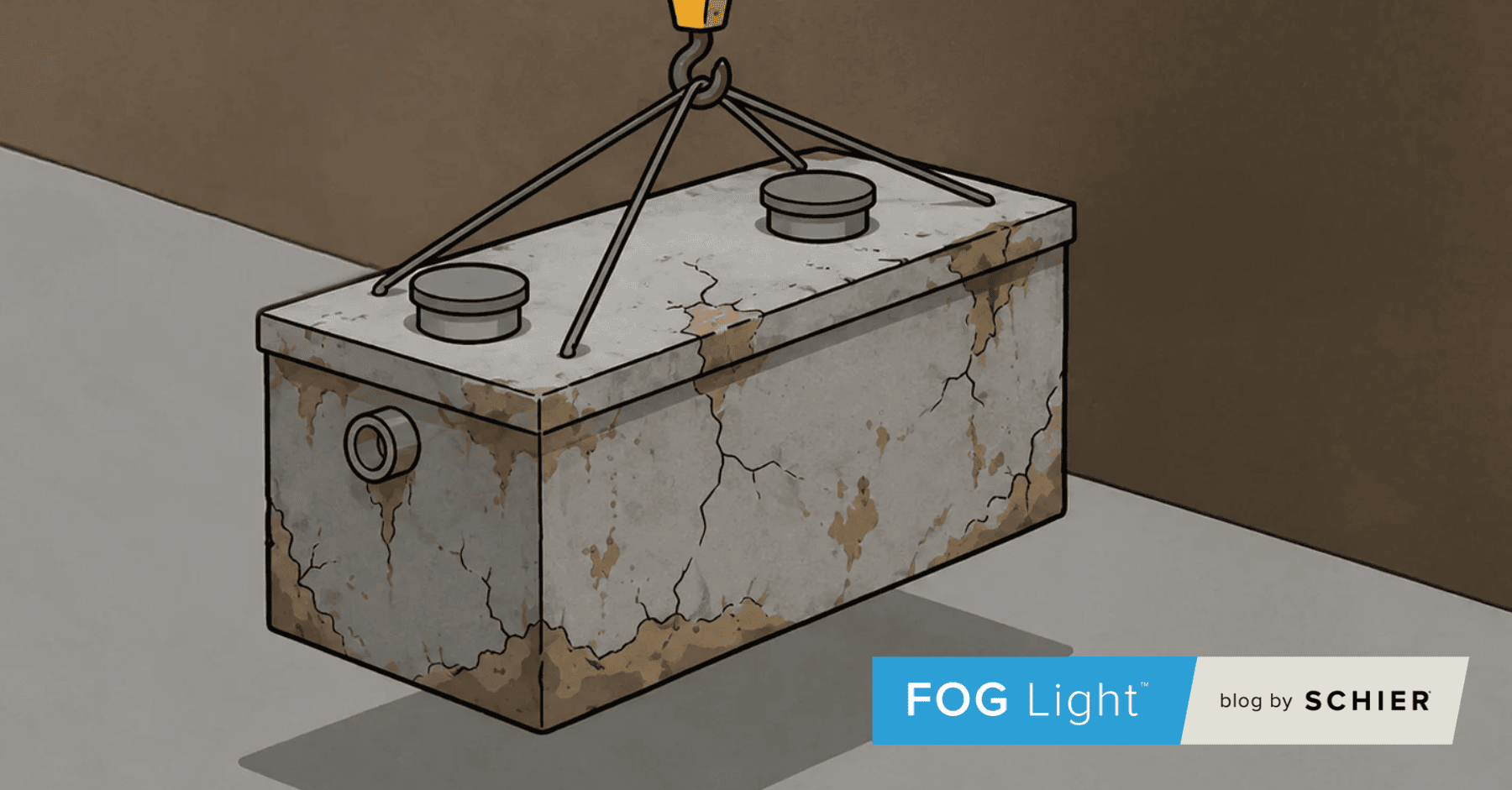
Ask any grease interceptor installer why they choose concrete and nine out of ten will tell you the same thing: They’re cheap!
But taking a step back and examining the costs that are actually associated with concrete - a material that will ultimately fail - allows us to see the ineffectiveness of that choice.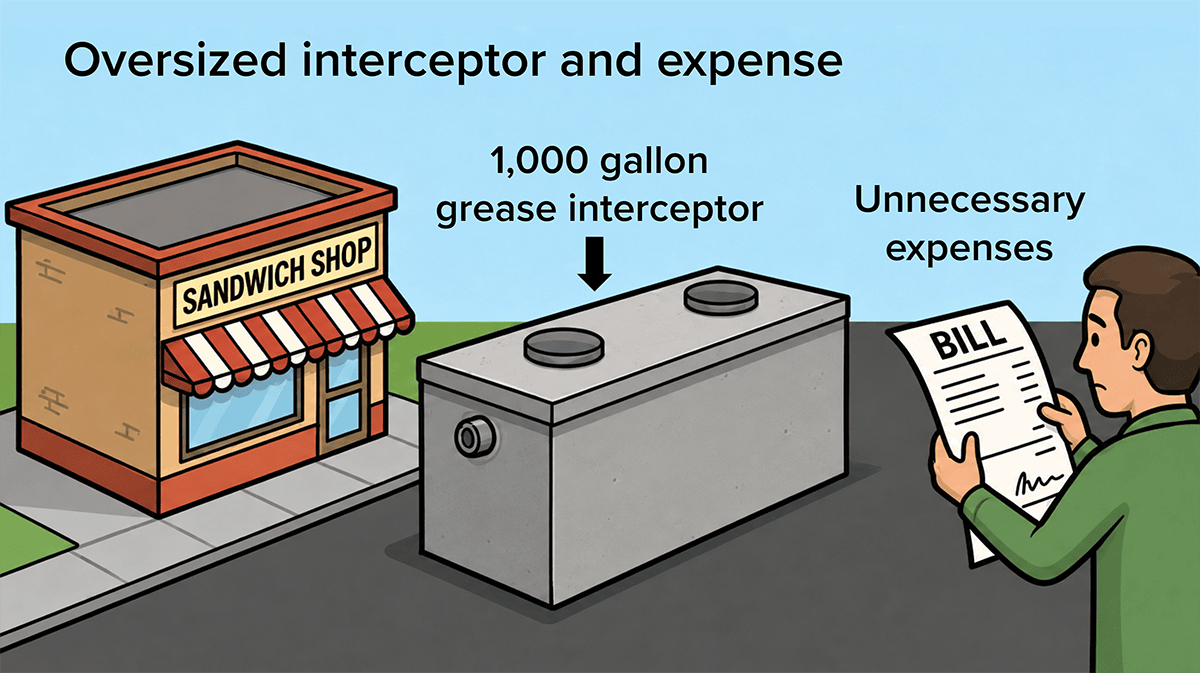 Let’s dive deeper.
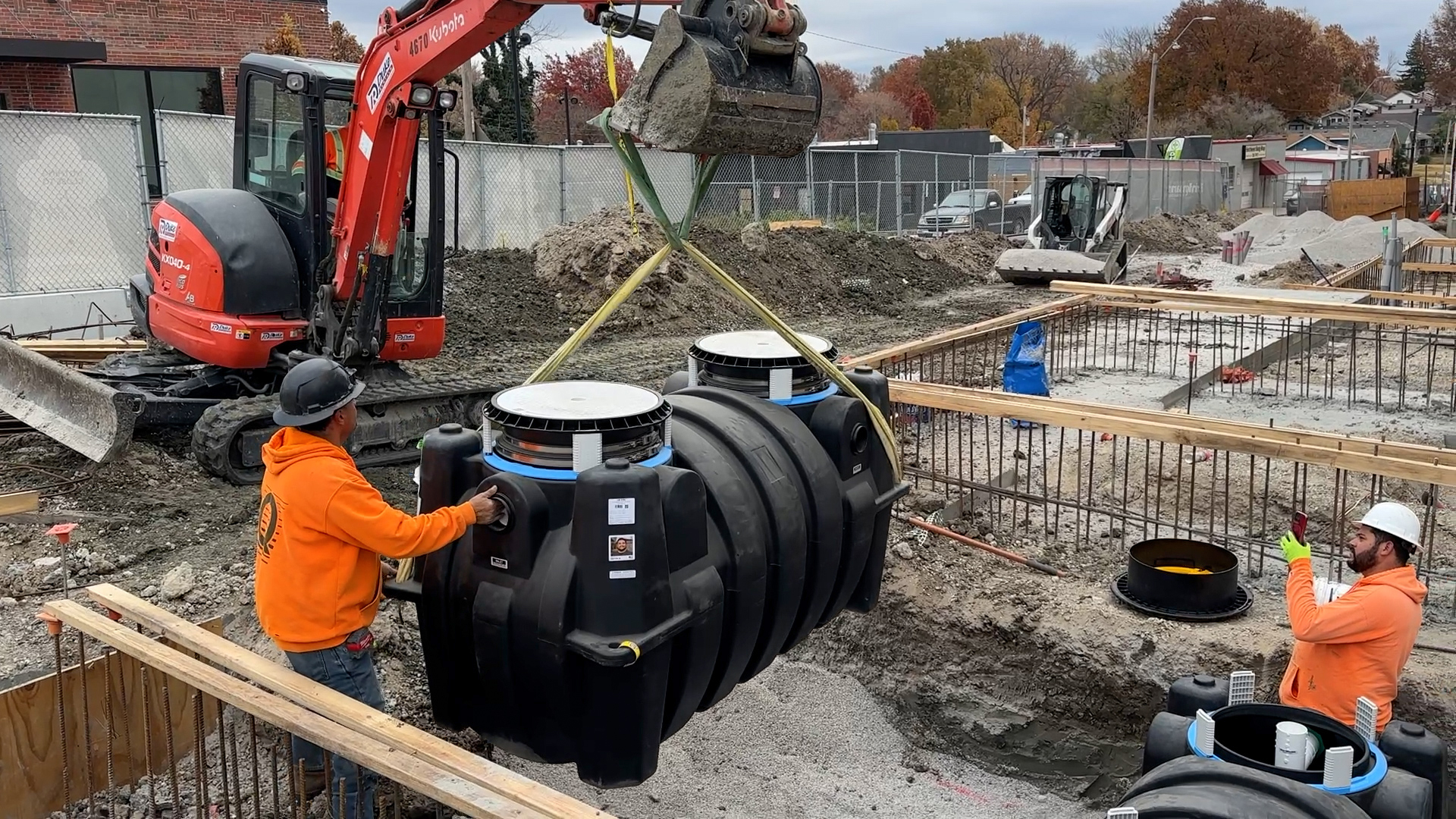
These 1,000-gallon, 1,500-gallon, 2,000-gallon or larger tanks are precast offsite, typically, and need to be hauled in and craned into position. Multiple workers are needed on site to ensure the unit is installed correctly. Risers are installed to grade or, in some cases, retrofitted to grade which also adds to the overall bill of materials and required manpower. The labor can outweigh material costs by thousands of dollars depending on the installation location. Concrete units are always installed outdoors, possibly creating issues with space as not all parts of the country have room for these oversized tanks.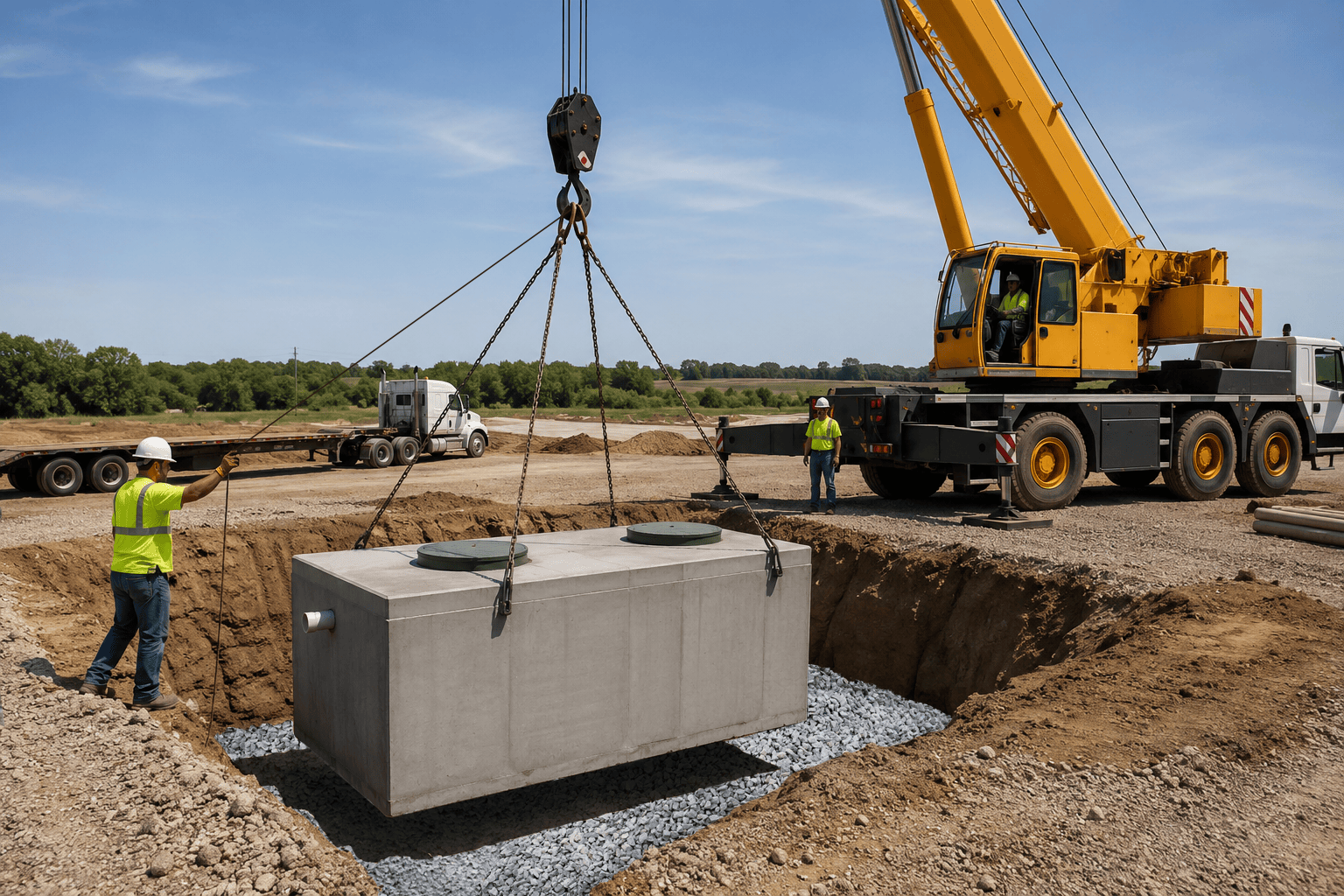
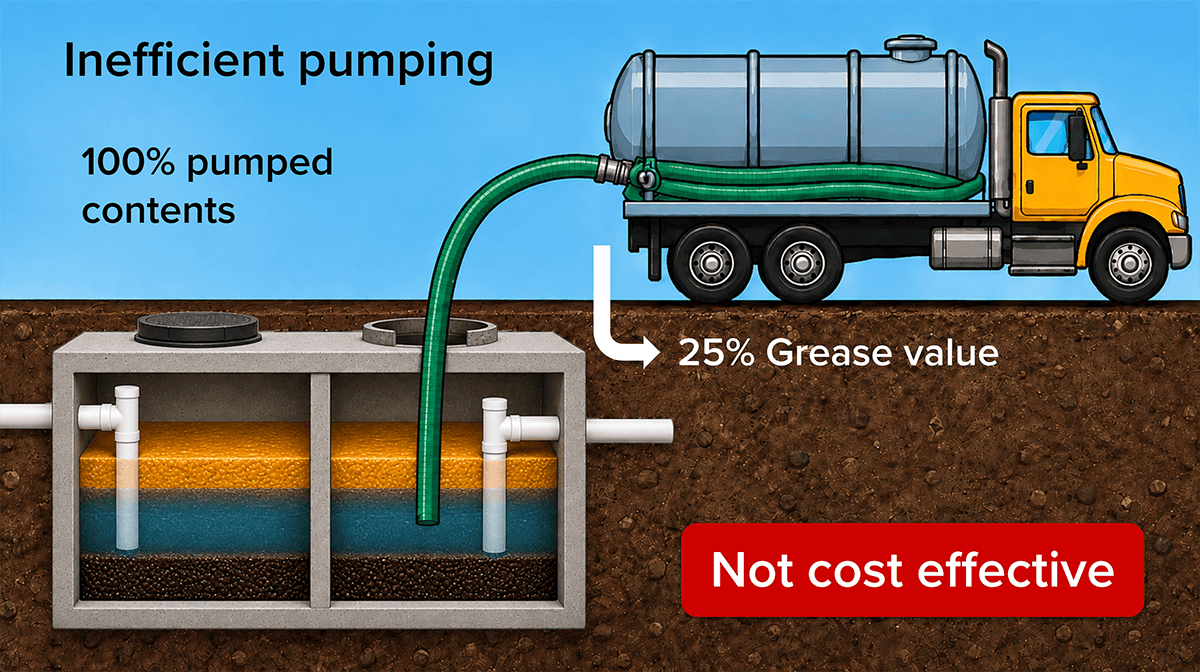
Frequent and ongoing maintenance is not cost effective for the restaurant owner. Most jurisdictions require that the unit be pumped out every 90 days or when the FOG (fats, oils and grease) and solids layer reaches 25% of the liquid capacity, which dictates that a grease interceptor be pumped when the grease layer and the solids layer combined equals 25% of the tank’s capacity. See the 25% rule blog for more information.
Pumpers normally charge restaurants for the trip and an average of $0.40 per gallon pumped when servicing these large interceptors. On a 1,000-gallon tank, that is an expense of $2,000 per year for quarterly service, at least. Some areas of the country even see $0.60 per gallon.
When comparing an oversized concrete grease trap to a right sized, high capacity, high efficiency hydromechanical interceptor with a volume of only 277 gallons (as with the Schier GB-250), we potentially see huge savings over the lifetime of the restaurant for the owner. See the breakdown below.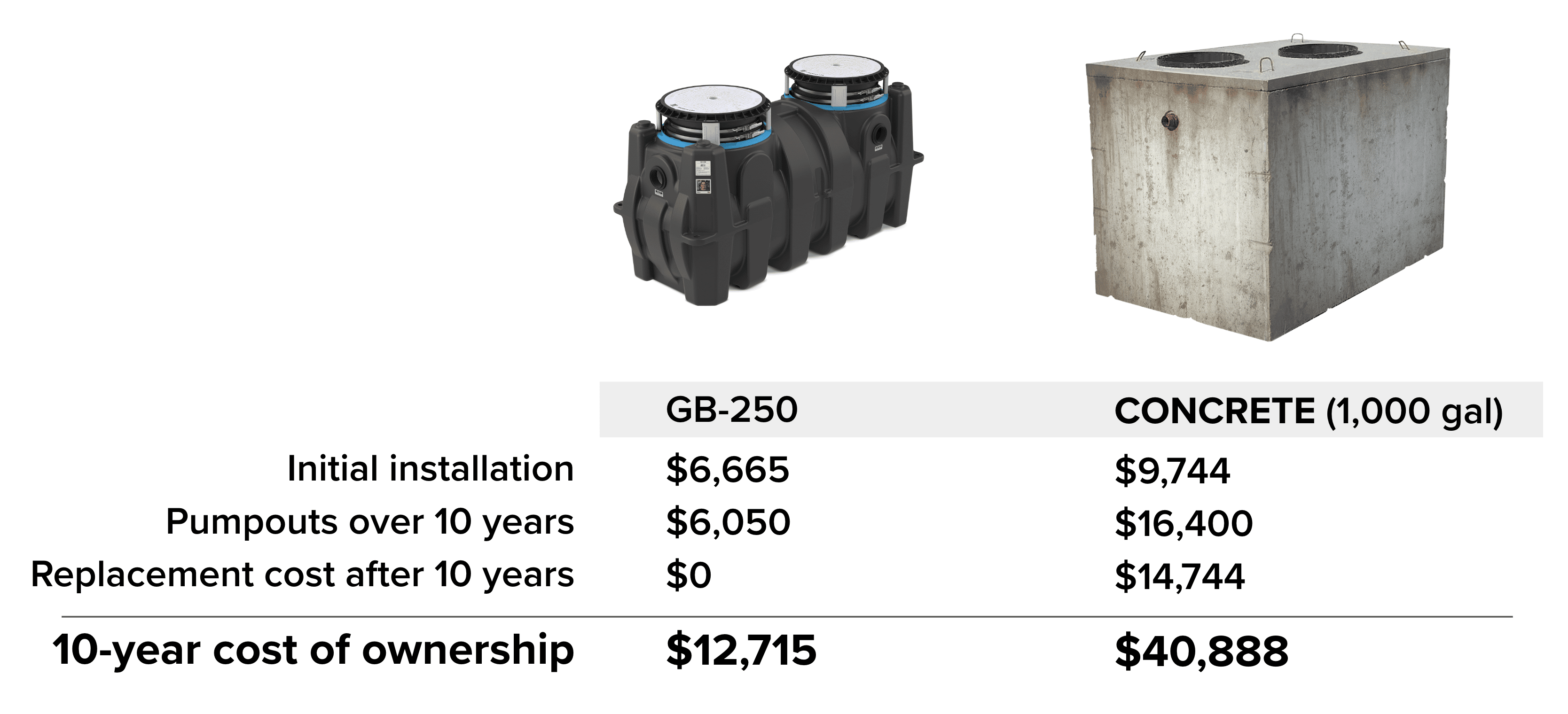
While the initial installation cost of a right-sized HDPE (high density polyethylene) unit is often less than concrete, we’re comparing a lifetime guaranteed unit (Schier) with one that will fail and need to be replaced over and over. As outlined in a previous blog post (Concrete grease interceptors: What is chemistry telling us) concrete grease interceptors begin corroding their way to failure on day 1 of use. In the end, the interceptor will fail 10, 15 or 20 years down the road and replacement costs continue to rise. The price of construction and business downtime are enough to put many restaurants out of business.
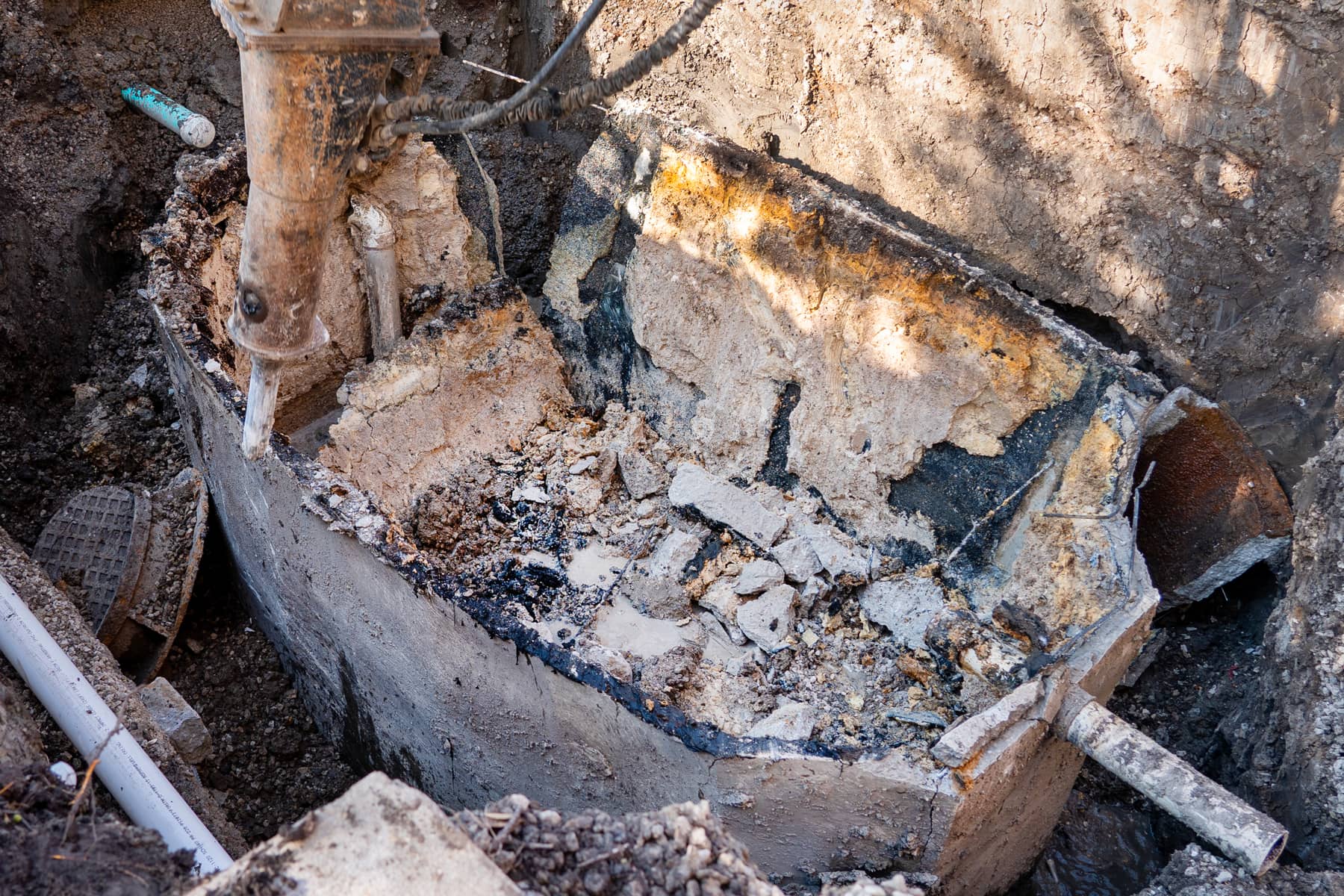
Between repeat installation costs and overwhelming maintenance bills, concrete ownership is more than 3 times more expensive than other solutions over just 10 years of operation.
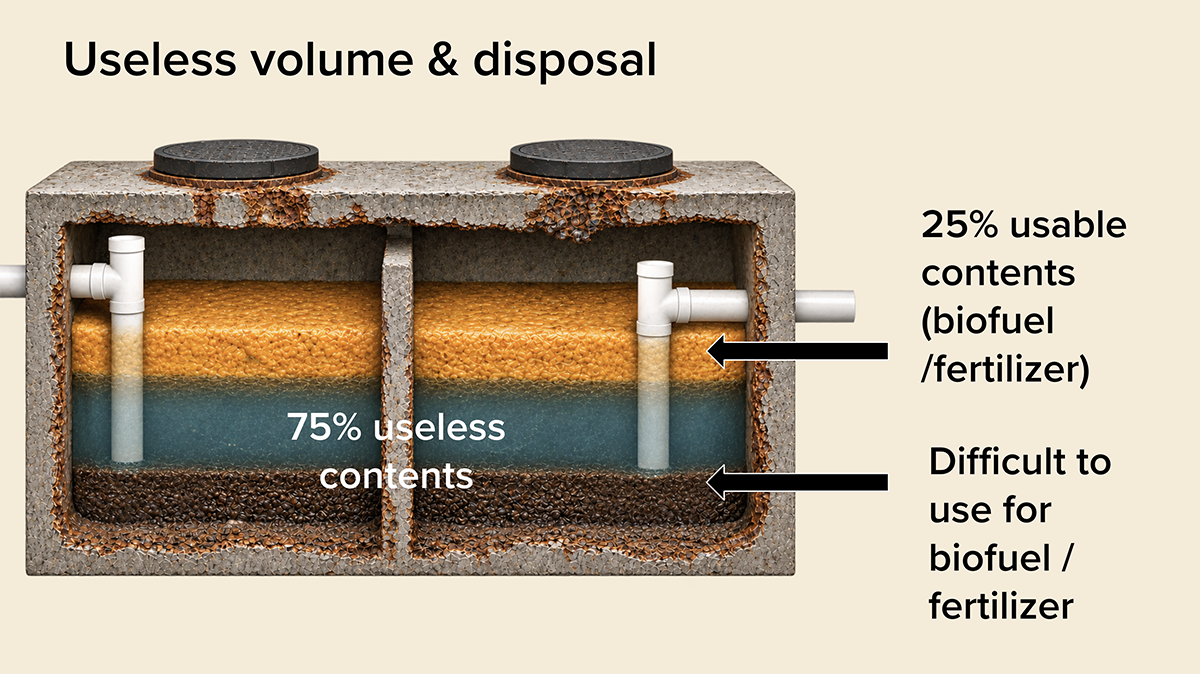
Most municipalities won’t accept interceptor effluent for treatment, so dumping it becomes a cost that the pumping contractor absorbs and passes on to the restaurant owner. Although interceptor grease, or brown grease, is becoming more sought after for secondary market purposes, such as fertilizer or biofuel, dewatering is costly. The 25% rule forces the owner to service the unit too often, making the majority of the tank removal water that must be treated and is not repurposable. See the amount of waste below when comparing the same two systems as the analysis above.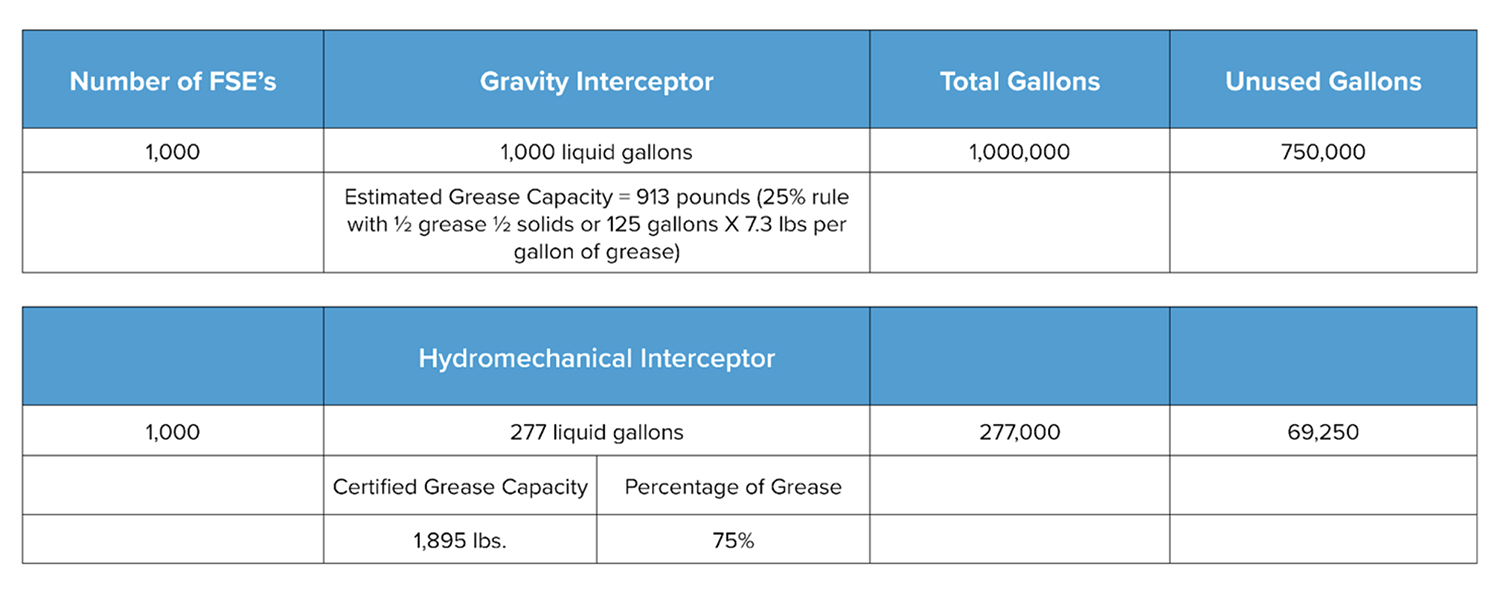
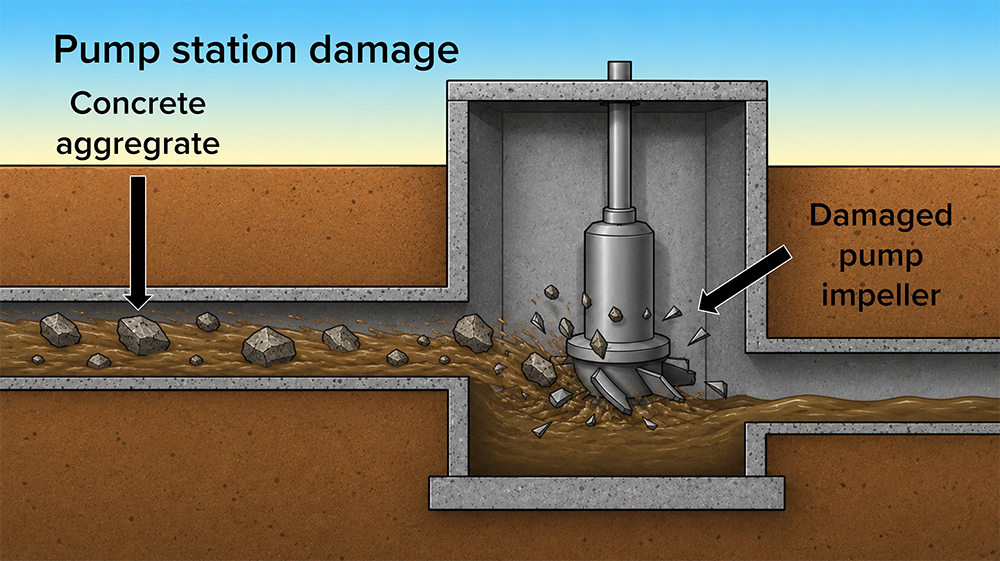
Restaurant owners aside, the taxpayer bears the brunt of maintenance to the conveyance system. When sanitary sewer overflows (SSO’s) occur, the utility has to clean it up and possibly pay fines. This is an added cost. 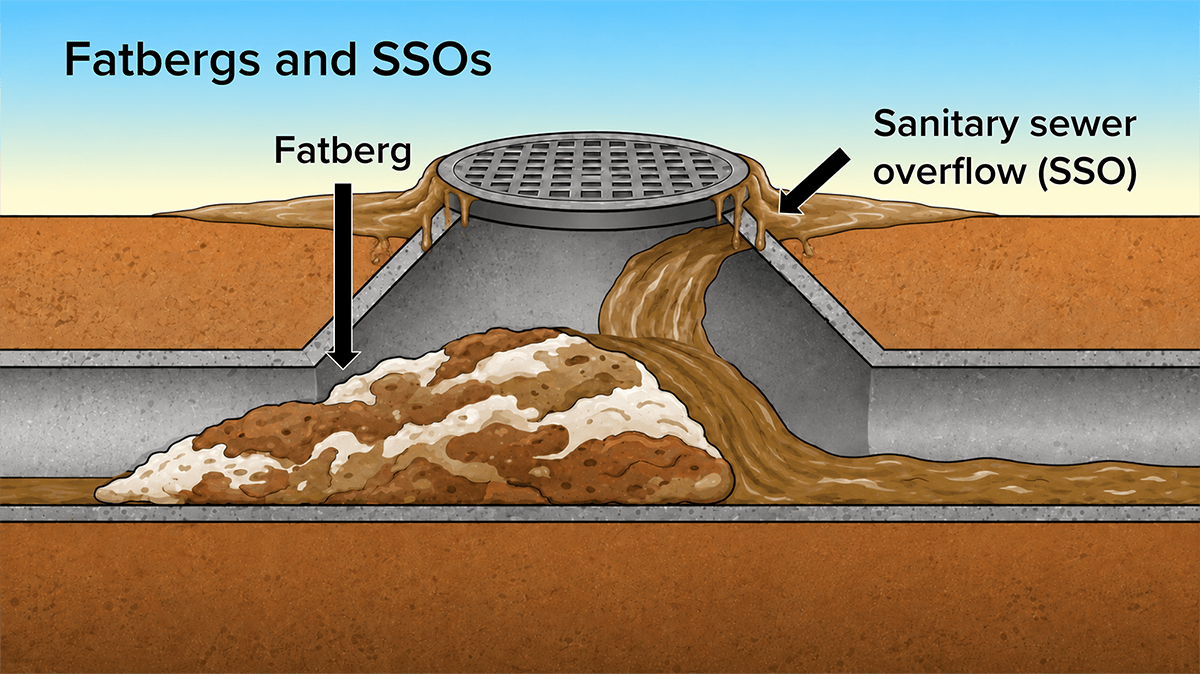 Lift stations that have concrete aggregate from failed grease interceptors can break down, and then the pump needs maintenance, this adds costs.
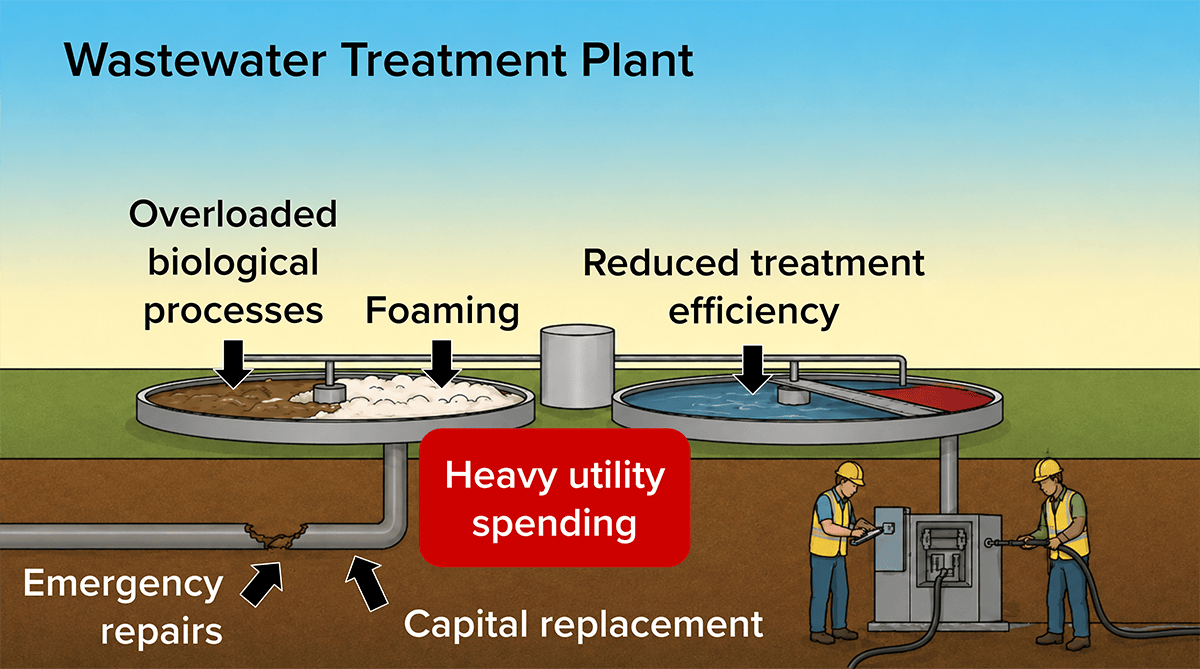
 Grease attaches itself to any concrete piping or accessways that are part of the system, which break down and add cost. If too much FOG reaches wastewater plants, operating costs increase due to FOG and failed concrete.
Concrete interceptors, while still prevalent in conveyance systems across the U.S., are steadily being replaced with new, more cost-efficient products that last a lifetime.
By right-sizing and using performance-based interceptors, we are protecting the owner against the higher costs associated with installation, maintenance, replacement and environmental concerns.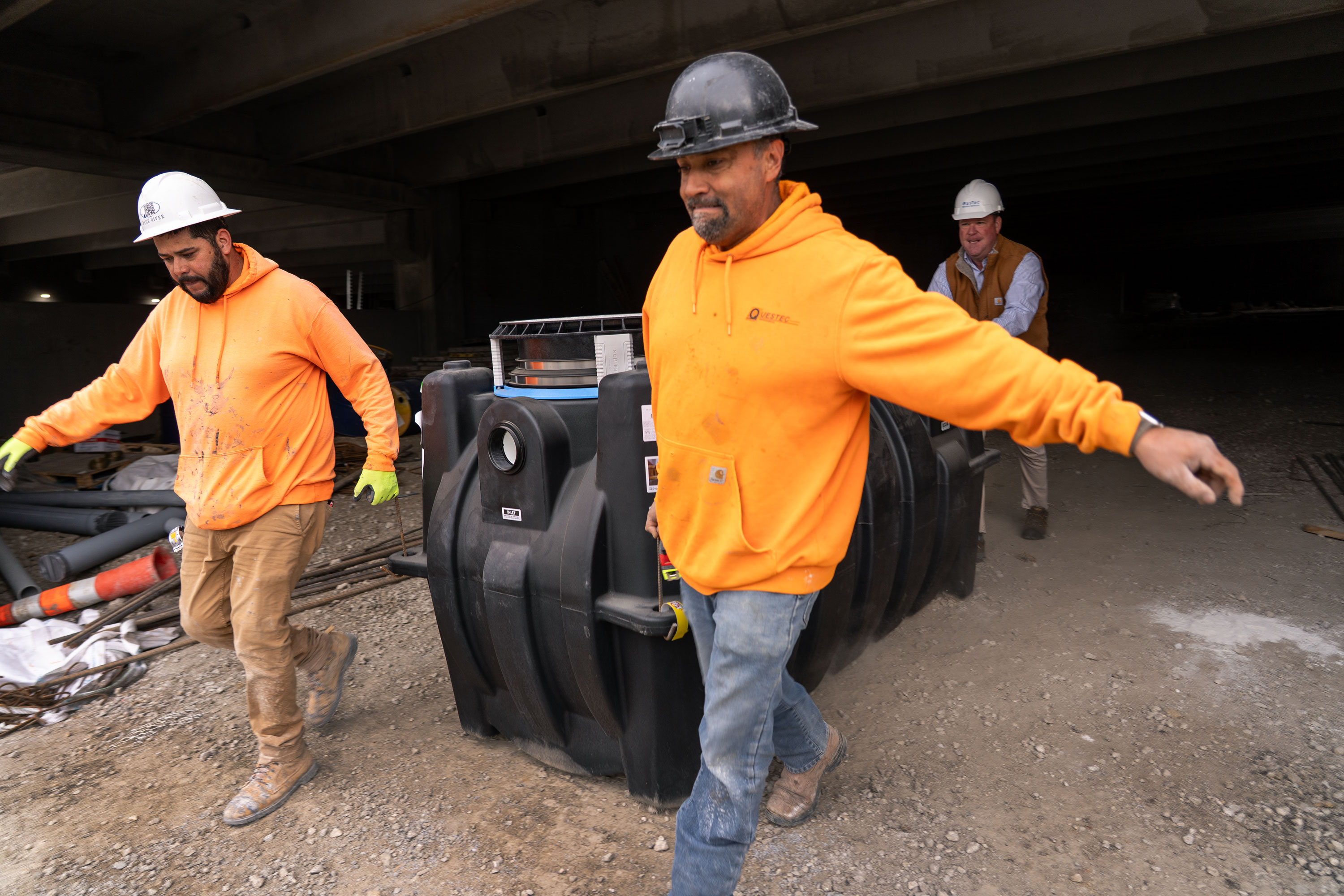
"These recurring issues placed a financial burden on food service facilities and allowed FOG to bypass grease control devices and enter the City’s sanitary sewer system. By moving away from corrosion-prone materials and toward more durable, poly-plastic and fiberglass alternatives, facilities can reduce maintenance problems, avoid unexpected costs, and better protect public infrastructure." - Gabrielle Stauffer, City of Palo Alto, CA
Written by: